Calories are the amount of energy released when your body breaks down or digest and absorbs food.The more calories a food has, the more energy it can provide to your body. The amount of energy in an item of food or drink is measured in calories. We often think of calories as something we eat but the truth is a calorie is simply a unit of energy.
How do calories lead to fat?
Excess calories in the body lead to fat; excess energy in the body that has not been used up, when you take in calories you can choose to leave them as fat or convert them into muscles, of course! a lot of people will go for muscles. As a guide an average man needs around 25,500kcal(10,500kj) a day to maintain a healthy body weight, you can convert excess calories into muscles by exercising your body, the body needs to use up the excess energy.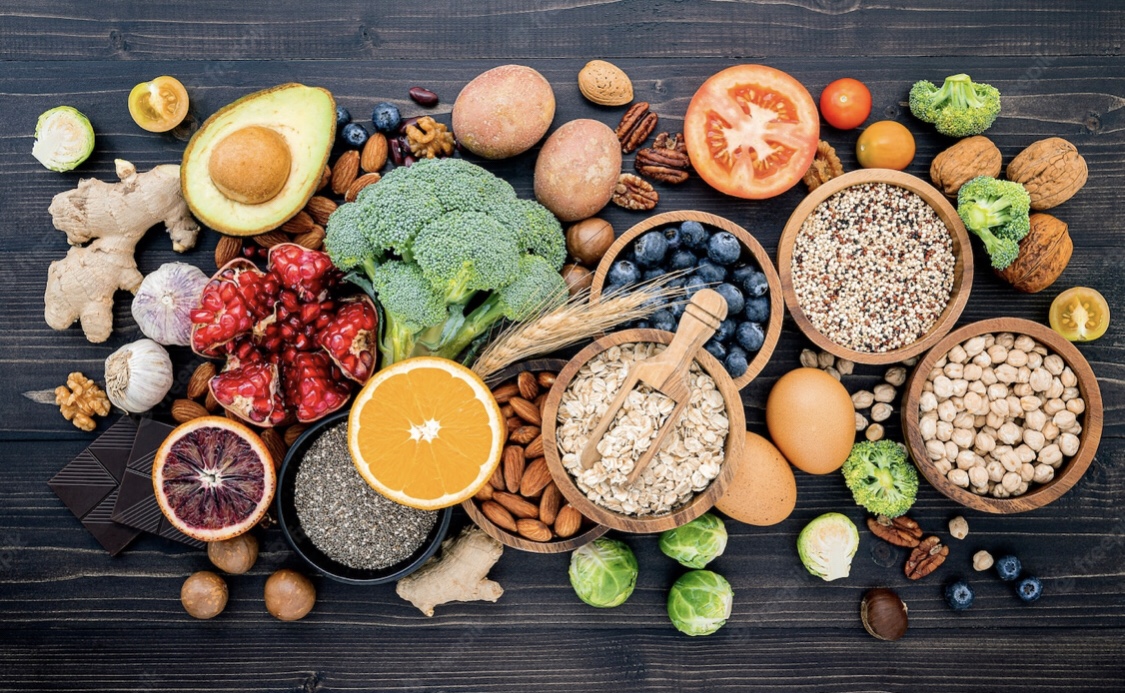
How quickly do calories turn into fat?
A 2012 study at Oxford University found that the fat in your food ends up on your waistline in less than four hours. There are three main forms of calories of these six nutrients, carbohydrate, protein and fat, each gram of carbohydrate and protein yields 4 calories/gram. Each gram of fat yields 9 calories. Carbohydrate and proteins take a little longer because they need to be converted into fat in the liver first and it takes 9 calories of protein or carbohydrate to make 1g of fat. Calorie-rich food includes protein: Red meat, pork, chicken with skin on deep fry for your health, salmon or other oily fish, beans, whole milk, eggs, cheese, and full-fat yoghurt. Carbohydrates: Potatoes, brown rice, whole grain pasta, whole grain, whole grain bread.
 How does my body really work?