Pneumonia is an inflammation of the lungs caused by a bacterial or viral infection in which the air sacs are filled with pus and may become solid, inflammation may affect both lungs ( double pneumonia ) or only one( single pneumonia ). Pneumonia can run in seriousness from mild to life-threatening. It occurs mostly in young children and infants, people with health issues and weakened immune systems, and people older than age 65.
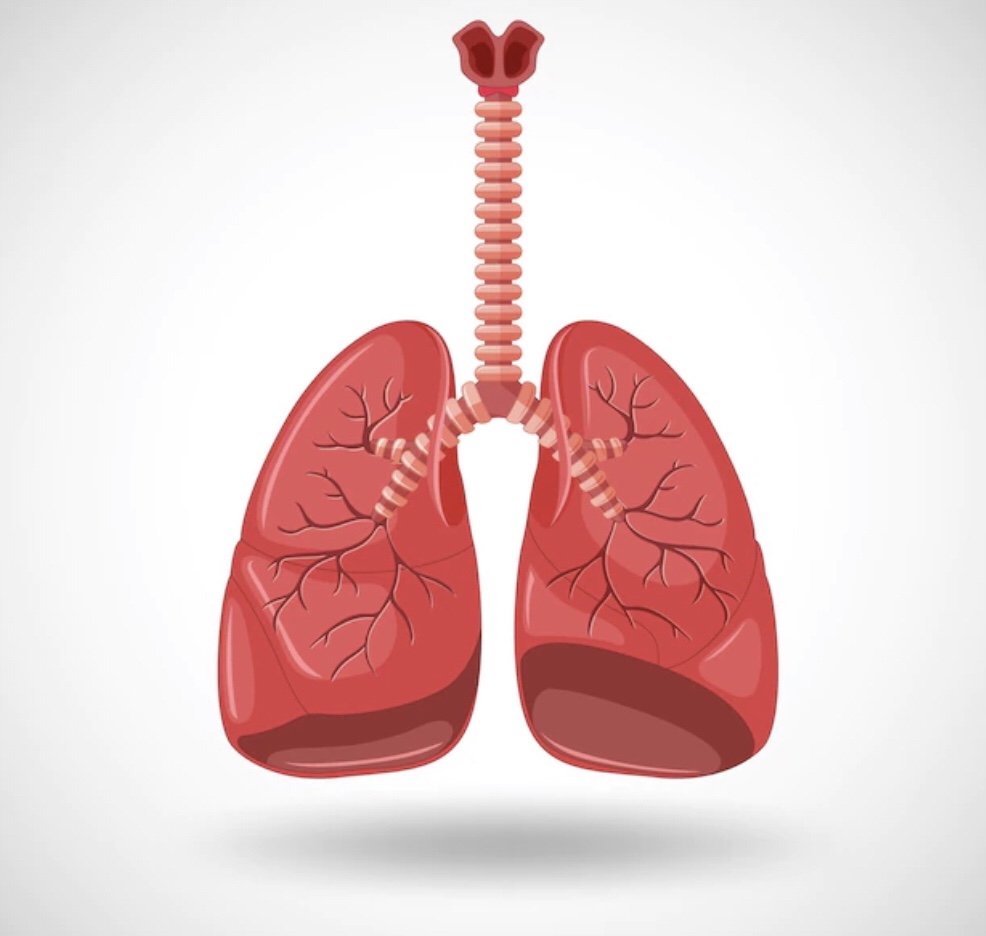
Symptoms of pneumonia.
The symptoms of pneumonia vary depending on how serious it is. It can run from mild to life-threatening. The symptoms of pneumonia may include:
- Rapid, shallow breathing, with little grunts or sometimes wheezing. The nostrils may spread with each breath.
- Fatigue.
- Chest pain when breathing or coughing.
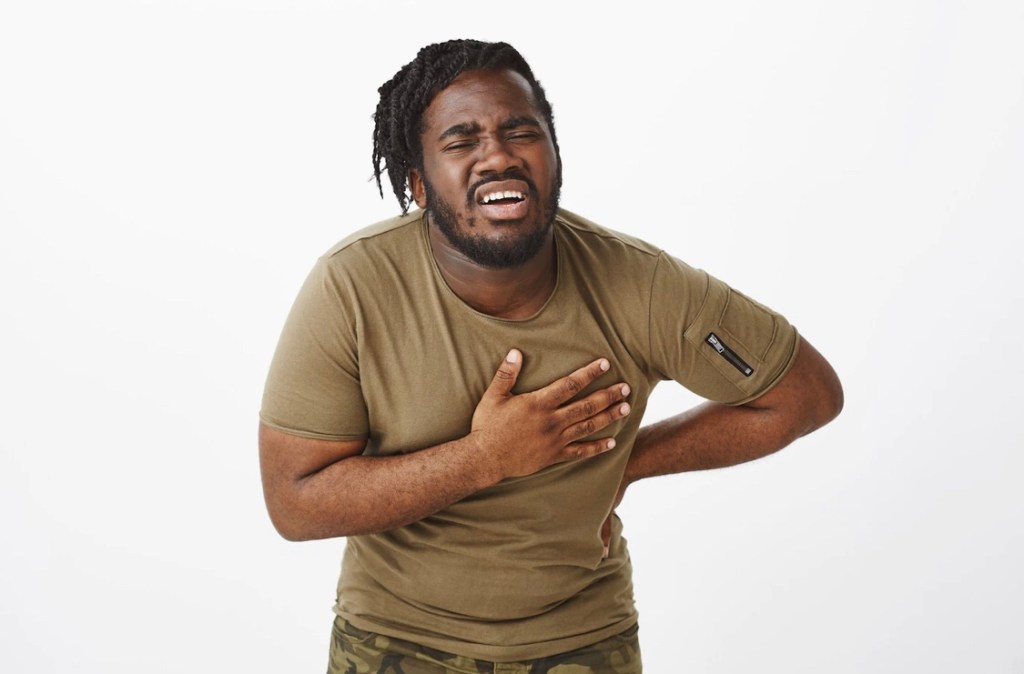
- Cough, which may produce phlegm.
- Changes in mental awareness or confusion (in adults 65 years and older).
- Sweating and shaking chills, fever.
- Vomiting or diarrhoea.
- Low body temperature (in adults older than age 65 and people with weak immune systems.
If you notice any of these symptoms, get medical attention to avoid further complications. For some older people with heart failure or chronic lung problems, pneumonia can quickly become a life-threatening condition.
How can pneumonia be spread?
Pneumonia can be spread from person to person by coughing, sneezing or having close facial contact. It launches tiny droplets of fluid containing germs into the air, which someone else can breathe in.
How can pneumonia be treated?
Pneumonia can be treated through the use of antibiotics prescribed by a doctor.
How can pneumonia be prevented?
- Do not smoke: smoking damages the lung’s natural defence against respiratory infections.
- Get vaccinated: vaccines are available to prevent the infection.
- Keep your immune system strong: eat a healthy diet, get enough sleep and exercise regularly.
- Practice good hygiene: good hygiene should be practised to prevent germs and other respiratory infections that lead to pneumonia.
 How does my body really work?